
Streetlight Press
7 ShortChristmas Classics
you can finish before Christmas
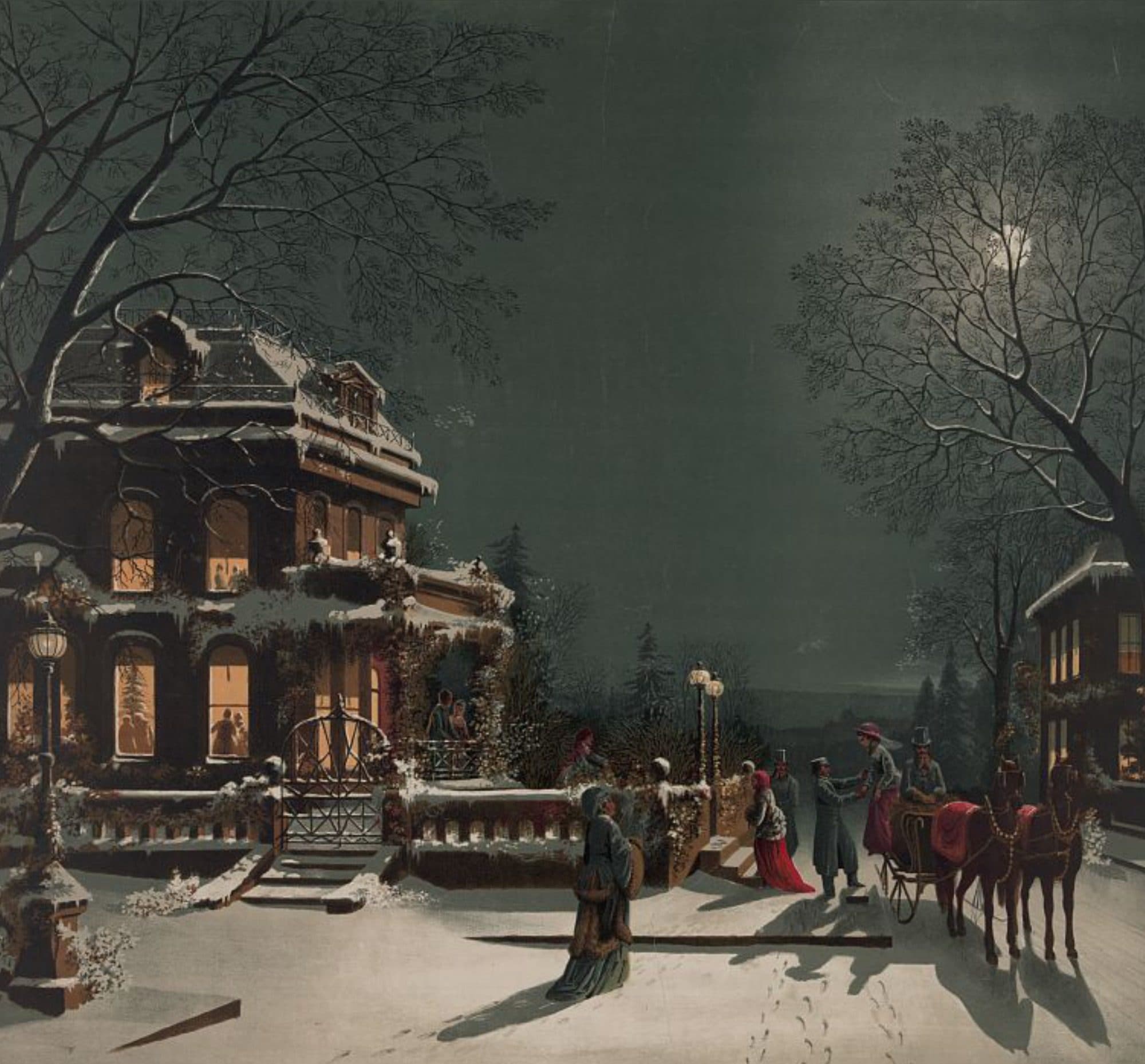
“Christmas Eve,” Library of Congress. Public domain.
Seven Christmas classics, from a ten-minute story to an evening by the fire, with the setting to read each one in. About nine hours of reading in all.
Christmas is close, and somewhere there is a book with a bookmark three chapters in. It isn’t a verdict on you. The evenings got shorter, the phone got closer, and the books stayed the same length. Somewhere along the way, a little of the season went quiet too.
These seven are a way back into both. Each one belongs to December: to lamplight at five o’clock, the tree lit, the window cold, a cup warm in your hands. Open one and the season comes with it: Dickens’s London in the fog and snow, a Christmas goose with a jewel inside, a nutcracker’s war with the mice, a fourth wise man still on the road. The longest is an evening or two by the fire; the shortest is done before the tea goes cold. Each has kept readers company through more Decembers than any of us has seen.
Pick one. There are still enough nights before Christmas.
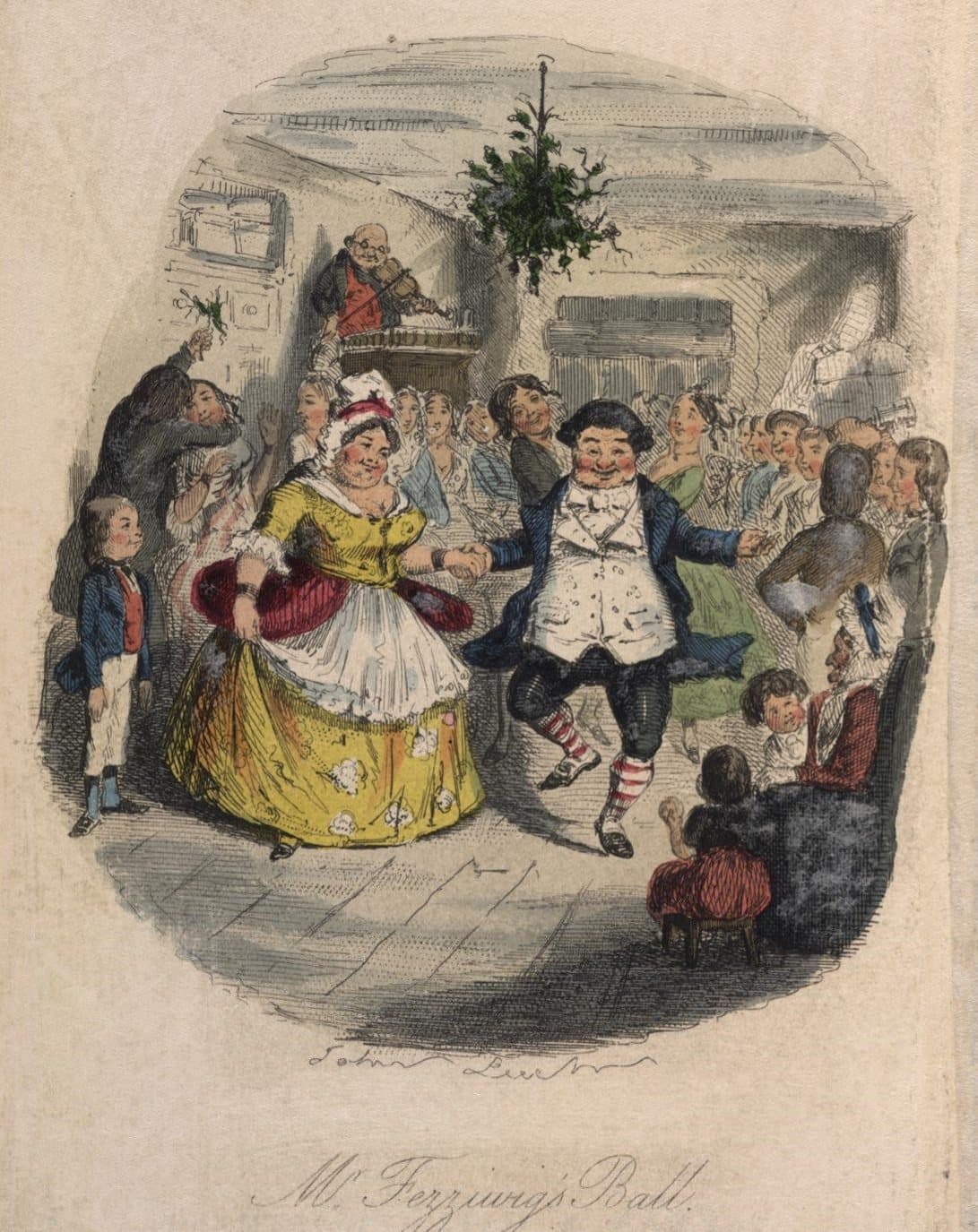
1. Charles Dickens · 1843
A Christmas Carol
Everyone knows the story. Far fewer have read it, and the films leave out the best part: the narrator. He is warm, funny and in no hurry, talking to you like someone in the next chair by the fire.
Dickens wrote it in about six weeks in the autumn of 1843, with bills coming due. He insisted it be printed beautifully, with hand-coloured plates and gilt edges, for five shillings a copy. It came out on 19 December, and all 6,000 copies were gone by Christmas Eve. The lavish printing ate the profit: he cleared about £230 against the £1,000 he had hoped for.
Read it: on the first cold night you light a fire. One chapter a night, and you finish in under a week.
2. Charles Dickens · 1844
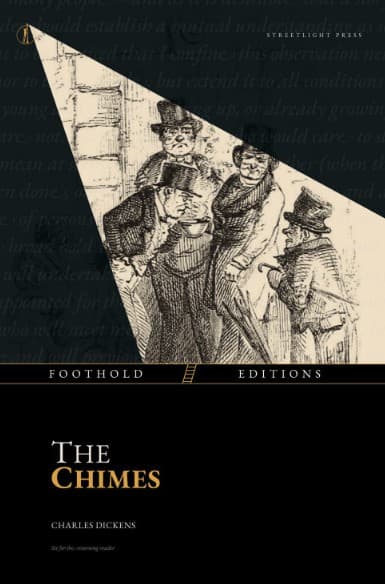
The Chimes
The year after the Carol, Dickens was living in Genoa, and the city’s church bells got into his head. The book he wrote there sold nearly 20,000 copies in its first three months. Almost nobody reads it now.
It belongs to the other end of the holidays: New Year’s Eve, and Toby Veck, a poor London messenger who is shown a vision of what the coming year holds for the people he knows. Dickens divided it into four “quarters,” after the chimes of a striking clock. Before it was published, he travelled back to London to read it aloud to friends and see how it landed.
Read it: in the quiet week between Christmas and New Year, when the days lose their names.
3. E.T.A. Hoffmann · 1816
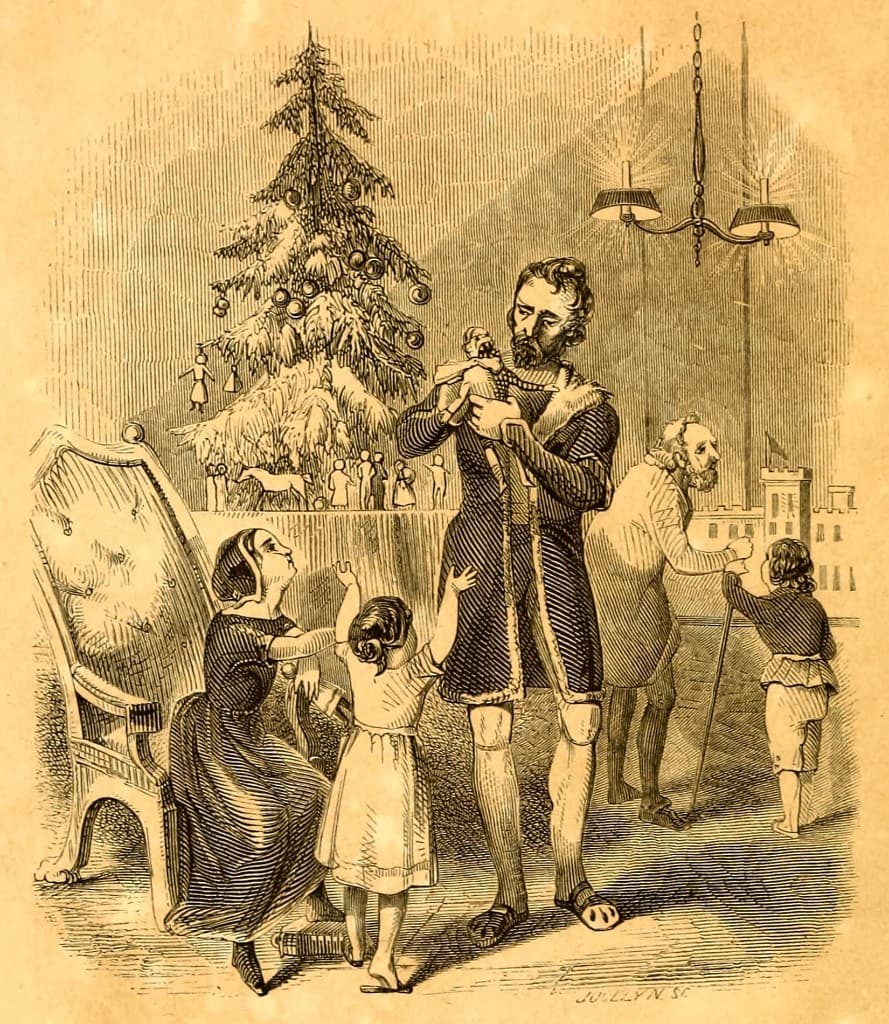
The Nutcracker and the Mouse King
If you know the ballet, you know the outline. The book is stranger. Hoffmann published it in Berlin in 1816, and Tchaikovsky’s ballet came to it second-hand, through a French retelling by Alexandre Dumas.
In the original, the Mouse King has seven heads. In the middle of the book sits a whole story within the story, “The Tale of the Hard Nut,” which explains how the nutcracker came to be cursed; the ballet leaves it out. And the ending doesn’t tell you quite what happened.
Read it: late, with the tree lights the only lights on.
4. Arthur Conan Doyle · 1892
The Adventure of the Blue Carbuncle
Sherlock Holmes’s Christmas case. A precious stone vanishes from a London hotel, and it turns up somewhere no detective would think to look: inside a Christmas goose. From there it’s a chase through the city’s poulterers, one deduction at a time.
It first appeared in The Strand Magazine in January 1892. The ending is the reason it belongs on this list. Holmes finds the thief, and then, it being the season of forgiveness, lets him go.
Read it: the day after Christmas, with the leftovers.
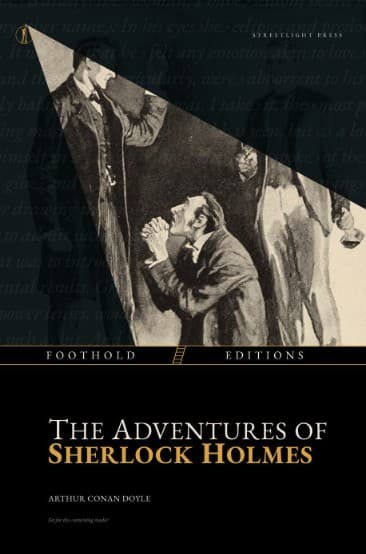
5. O. Henry · 1905
The Gift of the Magi
One dollar and eighty-seven cents. That’s how it opens: $1.87, sixty cents of it in pennies, and Christmas tomorrow.
O. Henry wrote it on deadline, in about two hours, with the newspaper waiting on it. It ran in the New York World on 10 December 1905 and has been a Christmas staple ever since. It takes ten minutes. Don’t let anyone tell you the ending first.
Read it: aloud, to someone, on Christmas Eve.
Book Found Here (in Twelve Stories for Christmas)
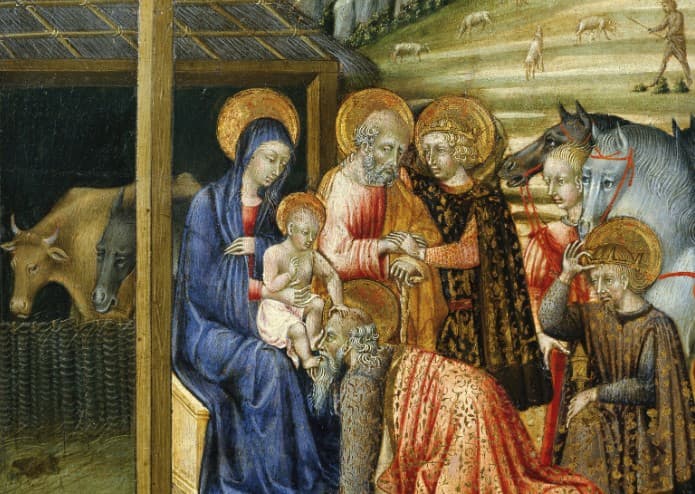
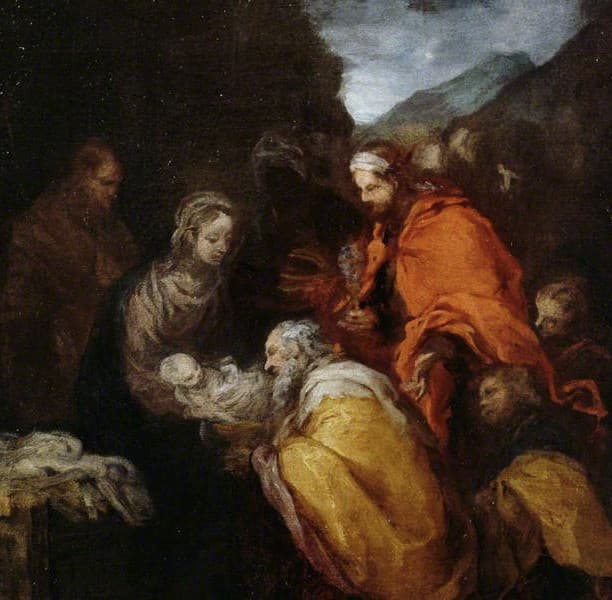
6. Henry van Dyke · 1890s
The Story of the Other Wise Man
Tradition counts three wise men. Henry van Dyke imagined a fourth: Artaban, who sets out with a sapphire, a ruby and a pearl for the newborn king. He stops to help a stranger, misses the other three, and spends the next thirty-three years searching, giving away each jewel along the way.
Van Dyke was a Presbyterian minister in New York, and he first read the story from his pulpit. It is the only book on this list that began as a sermon, and it never once preaches.
Read it: early in the new year, as the season ends and the decorations come down.
Book Found Here (in Twelve Stories for Christmas)
7. L. Frank Baum · 1902
The Life and Adventures of Santa Claus
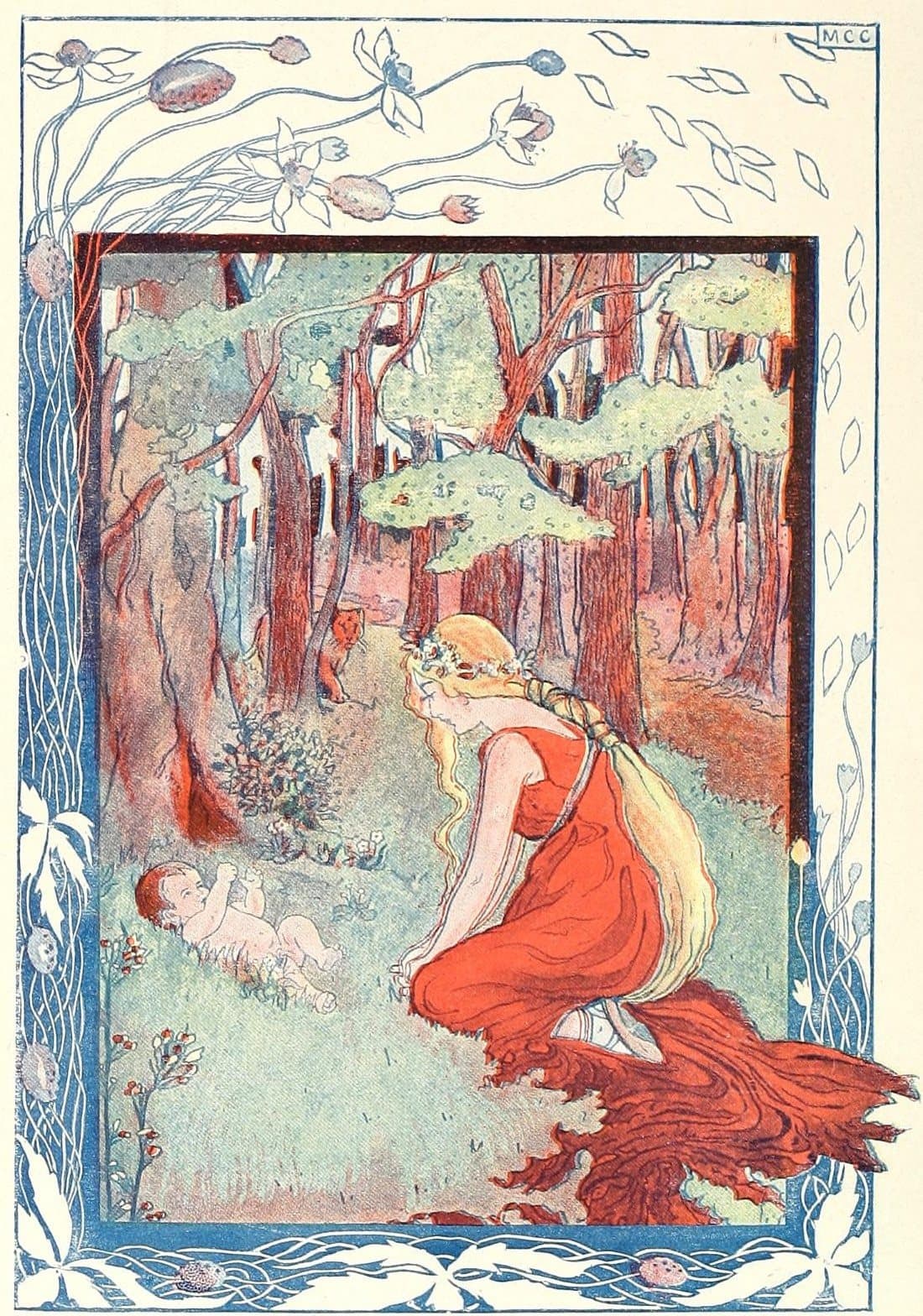
Two years after The Wonderful Wizard of Oz, Baum gave Santa Claus an origin story. An abandoned baby is found in the Forest of Burzee and raised by a wood nymph named Necile. He grows up making toys in the Laughing Valley of Hohaho. And when he grows old, a council of immortals has to decide whether he should be allowed to die.
It is the least-known book on this list, and the one most likely to surprise you. Baum liked his Santa enough to bring him back: he turns up at a birthday party in Oz in 1909.
Read it: with a child, or as one.
Book Found Here (paperback) · hardcover
Before the season runs out
All seven together come to about nine hours of reading. Start this week and that is less than ten minutes a night, with Christmas Eve to spare.
You don’t need all seven. You need one, a lamp, and a chair that faces away from the phone. The first page will do the rest.
Sources
- A Christmas Carol, Simple English Wikipedia; Ten Things to Know About A Christmas Carol, National Endowment for the Arts
- The Chimes, Wikipedia
- The Nutcracker and the Mouse King, Wikipedia
- The Adventure of the Blue Carbuncle, Wikipedia
- The History of O. Henry’s The Gift of the Magi, Smithsonian
- Story of the Other Wise Man, Britannica; Henry Van Dyke: Another Wise Man, Presbyterian Outlook
- The Life and Adventures of Santa Claus, Wikipedia