
Where Santa Claus Came From: The Forgotten Story by the Author of Oz
Santa has a better origin story than most superheroes, and almost no one has read it. Baum’s answer to where Santa came from is the reason to read it.
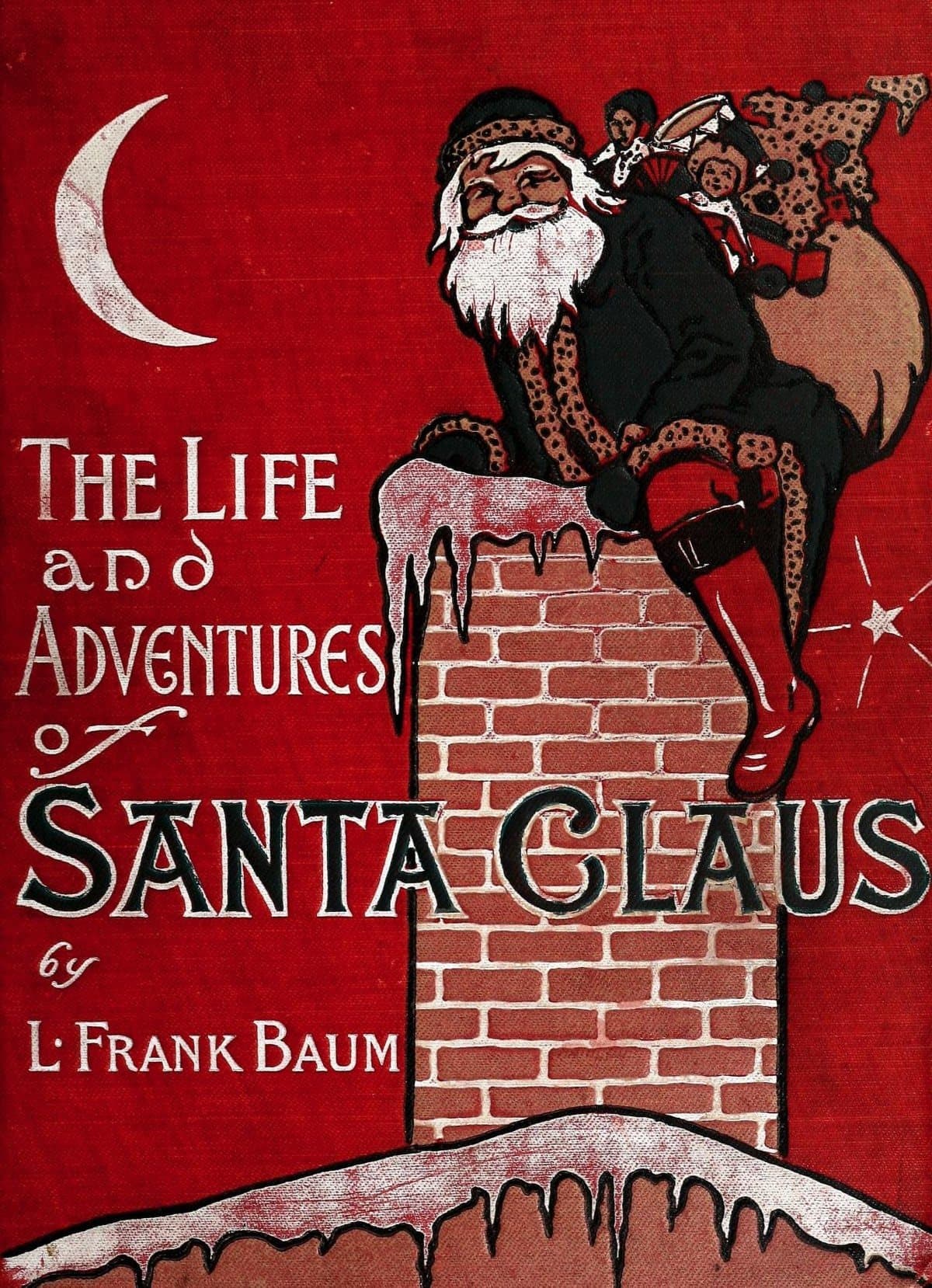
“Have you heard of the great Forest of Burzee?”
Almost nobody has. That’s strange, because Burzee is where Santa Claus was found. And the place where L. Frank Baum opens the perfect unheard of short story to get you into the Christmas Spirit.
Santa has a better origin story than most superheroes, and almost no one has read it. In 1902, two years after The Wonderful Wizard of Oz, Baum wrote The Life and Adventures of Santa Claus. It tells the whole life: the forest, the first toy, and the midnight when he became immortal.
Baum’s answer to where Santa came from is the reason to read it. Santa Claus wasn’t born magic. He earned it.
Found in the grass
Claus begins as a foundling. Ak, the Master Woodsman of the World, finds a baby lying naked in the grass at the edge of the forest. A lioness gives him her milk, and a wood nymph named Necile begs to keep him.
He grows up among fairies and immortals. Then Ak takes him into the world of men, and Claus sees what the forest never showed him: children who are neglected and dressed in rags.
So he leaves. One winter, snowed in and bored, he whittles a stick into the shape of his cat. Baum marks the moment plainly: “Claus had made his first toy.”
“Isn’t this a children’s book?”
Yes. Baum wrote it for children, and it reads aloud beautifully. That being said, much like Tolkien’s The Hobbit, this doesn’t mean children are the only ones who should read it. Children’s books have one advantage over the books we write for adults. They say the important thing out loud. And Baum says something here that most of December has forgotten.
Santa doesn’t keep a list
In Baum’s book, the naughty list belongs to the mothers. They warn misbehaving children that Santa won’t bring them toys. Baum’s reply is blunt: “Santa Claus himself would not have approved this speech.”
His Santa gives toys to children “because they were little and helpless, and because he loved them.” He knows “the best of children were sometimes naughty, and that the naughty ones were often good.”
There are two Santas in December. One keeps score. The other gives because children are small. Once you’ve read Baum, you can tell them apart everywhere you look.
The vote at midnight
When Claus grows old and his strength gives out, Ak summons a council of all the immortals of the world. He asks them to give Claus the one Mantle of Immortality, a robe that has hung unworn since the world began.
They hesitate. Ak answers with the best line in the book: “Of what use is the Mantle of Immortality unless it is worn?”
The vote is unanimous. The mothers had already called him a saint. Now the immortals agree.
Magic didn’t make him generous. Generosity made him magic.
How to read it
It runs about thirty thousand words, which most adults finish in 2-3 hours. There are twenty-two short chapters in three parts: Youth, Manhood and Old Age.
Be patient with the opening chapters. They spend a while naming the forest’s creatures, the Knooks and Ryls and Nymphs. The story finds its feet the moment Claus walks out of the woods.
With children, read one chapter a night starting the third of December. You’ll finish on Christmas Eve.
Book Found Here (paperback) · hardcover
Back to Burzee
Baum believed “a generous deed lives longer than a great battle or a king’s decree or a scholar’s essay.” More than a century later, his Santa is still giving because children are small.
So, have you heard of the great Forest of Burzee?
Now you have. Whether for your children or for your own inner child that stared up at the night sky on Christmas Eve, this story is for you.