
’Tis the Season to Read Stories Again
Reading can feel pointless in the age of reels and AI. Christmas is the best time to prove it isn’t, and the way back is simpler than you think.
If you are anything like me, the time for reading has gone down or completely vanished. In many ways, reading seems a little pointless in the age of reels and AI. Why would I read Dickens when 100 reels exist out there to give me an engaging summary or any AI could summarize the story easily? It’s not pointless and may be your secret to rediscovering Christmas at its best, childlike and full of wonder.
The reason lies in narrative itself. Not the words. Not the summary. Not even the feeling per se but the experience. Stories are an essential element to what makes us human. We, too, just like any story, are in our own narrative arc. We’ve all had a beginning, we are currently in the middle, and one day we will have an end.
A good narrative (not some experimental, deconstructionist, postmodern crap… I’ll save that rant for another article) allows us to escape our own narrative for a brief time and live in the timeline of another person whether they be good, evil, or somewhere in between. This is a truly cathartic experience when properly done. It allows us to experience a whirlwind of decisions, emotions, regrets, and thoughts without having to (or getting to) bear the real-life consequences. A good story leaves us changed, with a chance to rethink our own self-identity after its conclusion.
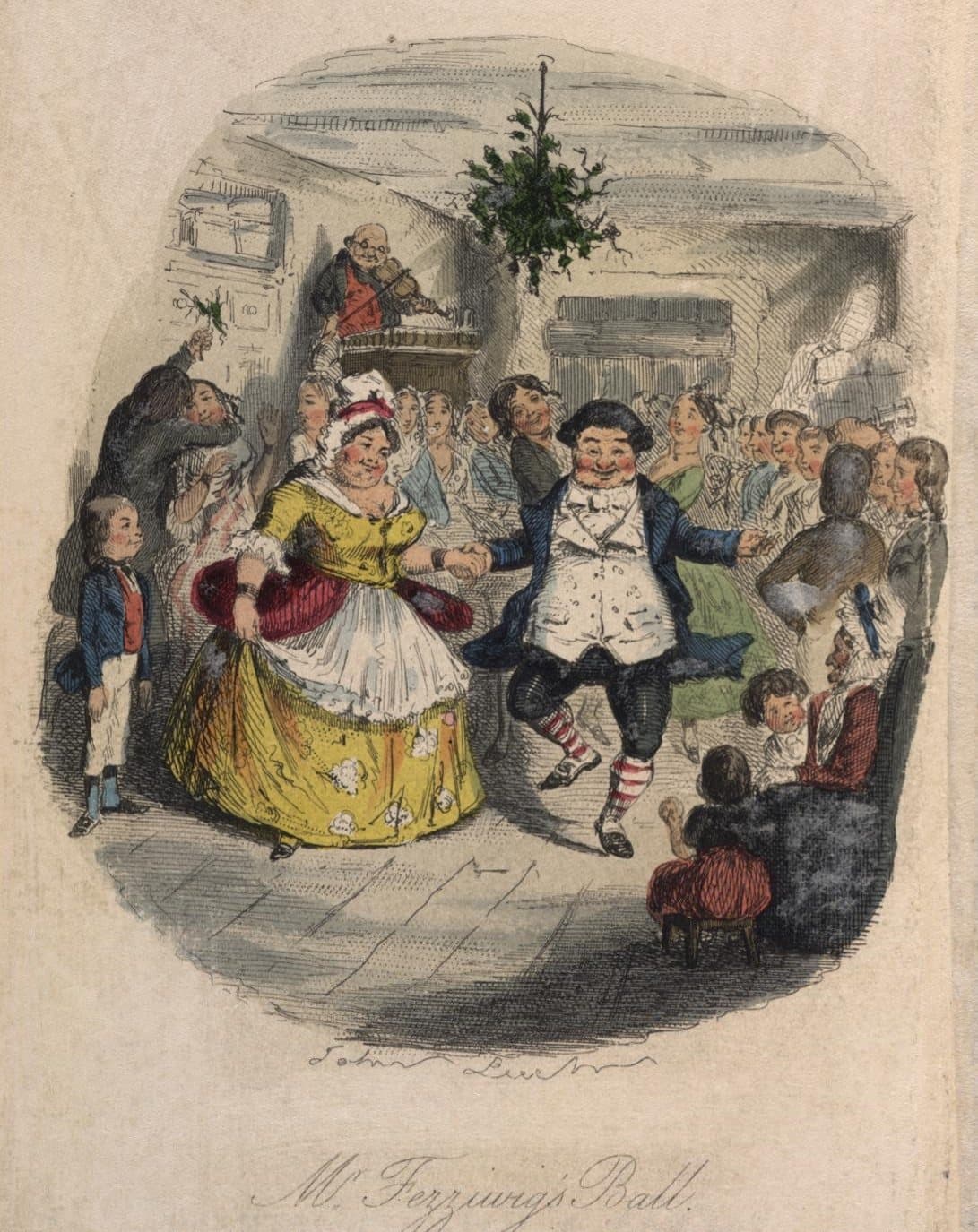
Why Christmas?
Perhaps it’s just me (but I suspect not), but every Christmas, as I get further into my adult life, I find myself searching for a feeling that I once had, or perhaps imagined I had, but that never existed. I can’t put it into words, but it exists somewhere in the same space as the streetlight in Narnia. However, the more I try to force a recreation of this for myself, the further away it seems. But in finding it in others, I find it in myself. And this is exactly what a story does.
There are a number of scientific studies I could cite to add credence to something most of us already know. Scrolling is robbing us of better experiences. More screen time does not equal more interior peace. We know this to be true. If you disagree, next Saturday I encourage you to scroll from 7pm to 3am and ask yourself at 3am, “How do I feel?” Then the following Saturday, put your phone in the other room and read a short story from beginning to end, taking as much time as you need to understand what is going on. Heck, read it a second time to pick out things you missed the first time. Then and only then, once your story is complete, make yourself an alcoholic beverage and watch a film and go to sleep. Then ask yourself, “How do I feel?”
Why a Book?
Books and movies are the optimal art forms for Christmas stories (in my humble opinion). Movies are the most accessible in terms of touching the feeling of Christmas, and they certainly have their place. But ask anyone if they preferred the book or movie version of any adapted story, and you already know where I am going with this point. Books, especially in the current world, have a barrier to entry. Almost half of all adults haven’t read a book in a year. Everything about our world works against the presence of mind and imagination needed to read a book and, more importantly, enjoy it. Christmas is the season to do it.
In an older world, Advent (the season leading up to Christmas) was intended to be a season of stripping ourselves of things, even good things, so that we could prepare ourselves for something greater than all those things combined. Trading 30 minutes of scrolling for 30 minutes of reading would be in the spirit of that concept.
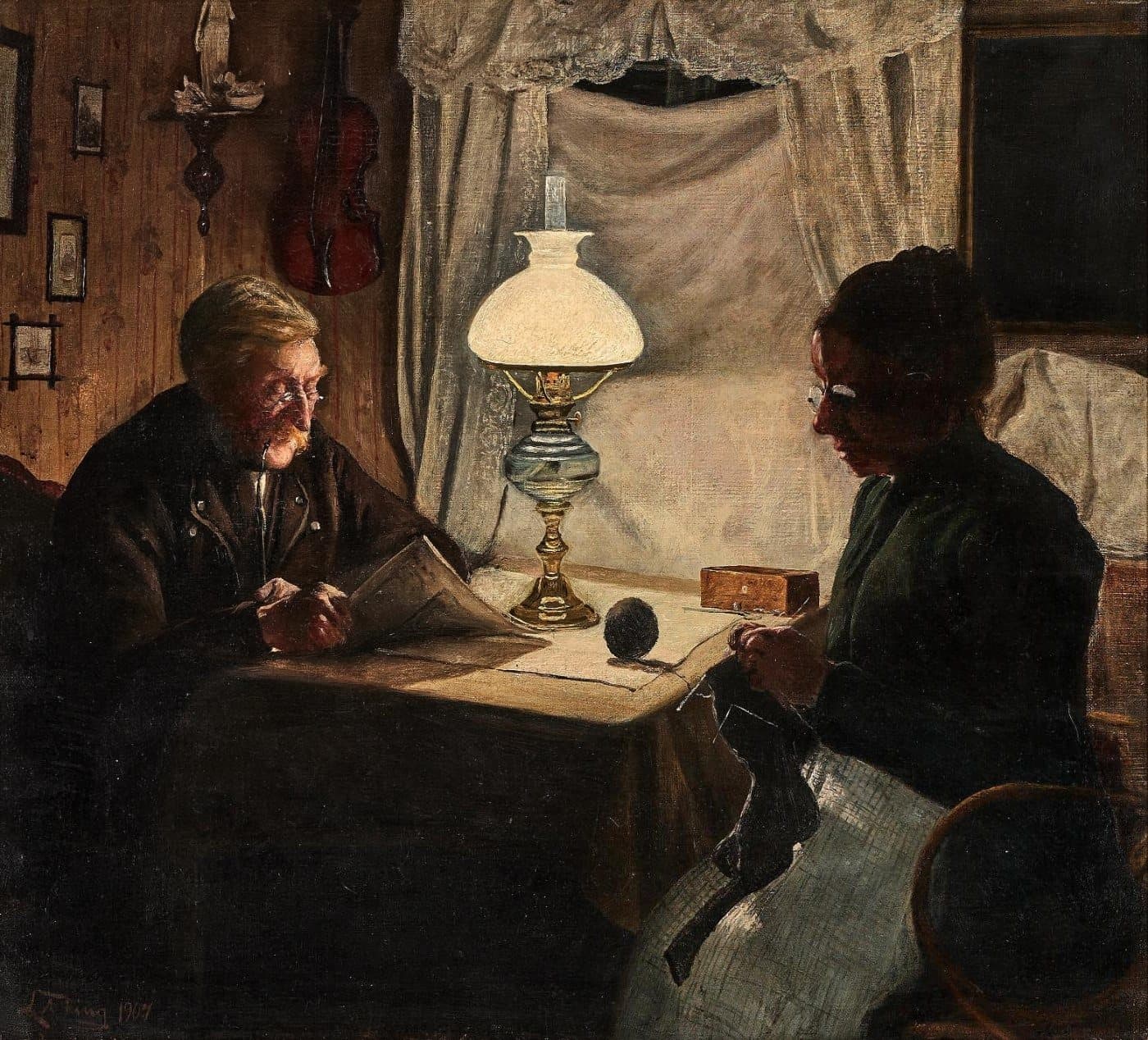
Here is my recommendation. Establish a ritual at night in which your phone goes in another room for a period of time that feels easy to you. Maybe 30-45 minutes? Do this every other night during Advent. Include 10-15 minutes of prep work. Set up your lamp, prepare your reading space (couch or reading chair), tidy the area around it, and make yourself a cup of tea (even if you don’t like it, just do it). Then read a full chapter of a Christmas book or a full short Christmas story. But choose a classic. Not something cheap or trendy. One that has stood the test of time and passed through the minds of hundreds of thousands of readers. Make the ritual something aesthetic and pleasing but not easy. Break through the barrier to entry and find your way into the story. Feel the setting as the author describes it and live for that brief moment through the characters. And when Christmas arrives, ask yourself, “How do I feel?” and you may find someone new on the other side.
Ready for a first story? Start with 7 Short Christmas Classics You Can Finish Before Christmas, or take a night a story from 12 Classic Christmas Short Stories That Bring the Season Back. Book Found Here: Twelve Stories for Christmas.